Brisbane Dentists Experienced in Emergency Dental Care.
We Restore Broken Tooth in Adults, Children and Toddlers. Treatment of Toothache, Dental Abscess and Gum Infection. We Save Knocked-Out, Chipped or Cracked Teeth in Brisbane. Call us on 07 3343 4869, Chat with us or Book online 24/7.
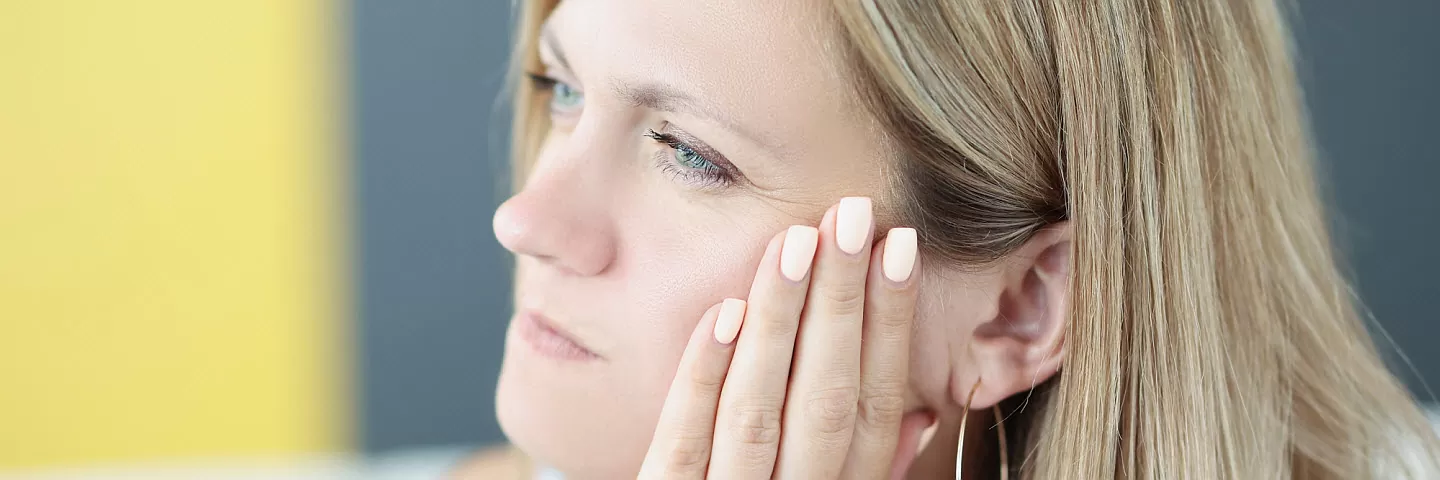
Toothache Caused by Infection (Abscess)
Painful Chewing
Abscess or infection can cause a throbbing and intense toothache. This type of toothache is sometimes accompanied by a swollen face and It gets worst when you lie down because when you lie down the blood pressure around your head and subsequently the abscess increases and you feel unbearable pain.
A dental abscess is defined as an area of localized infection that involves the surrounding tissues and structures of the teeth. It is a complication of dental caries or tooth decay. In other words, tooth decay or trauma can progress into an infection in the nerves which is called an abscess.
An abscess is a pouch of infected tissue. It is a collection of pus around the root of a tooth and using a dental x-ray, dentists can confirm the presence of the dental abscess.
The primary symptom of a dental abscess is pain and discomfort. The pain caused by an abscess is commonly referred to as a toothache by patients. If your child is complaining of a bad or bitter taste in his or her mouth it can also be a sign of a dental abscess and you have them seen by a dentist.
When a significant infection is present under the tooth, obtaining profound anaesthesia becomes hard or impossible for the patient.
When you have a dental abscess, your dentist will try to eliminate the infection and preserve the tooth from further complications. Treatment of infection or abscess often begins with pain management and antibiotics. It is then followed up with root canal therapy and a dental crown to re-strengthen its structure. If the tooth cannot be preserved, extraction would be the only option.
If eating is painful for you then the culprits for this type of pain can be tooth decay or it can be a small tooth crack. An x-ray image can reveal tooth decay but it cannot detect a small crack.
Toothache at the Back of the Mouth
Pain at the back of the mouth could be a symptom of:
- An impacted wisdom tooth (third molars).
- Bruxism (teeth grinding)
- Temporomandibular disorder (TMD)
Wisdom Tooth
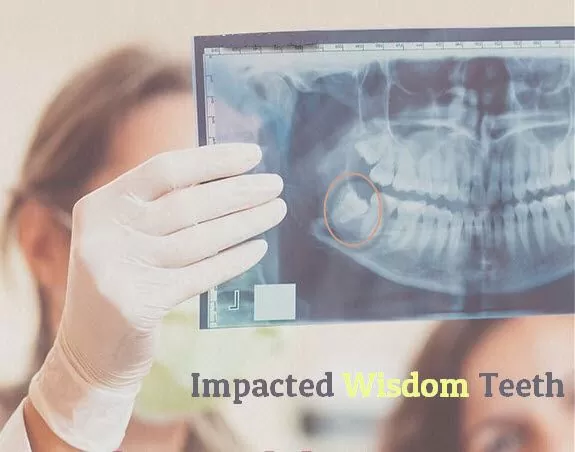
Removal of impacted wisdom Teeth in Brisbane
The third molars are known as wisdom teeth. Most people have four wisdom teeth.
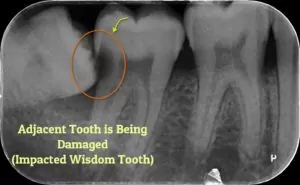
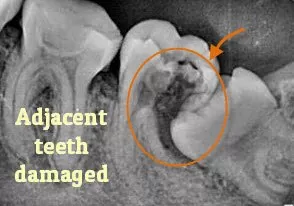
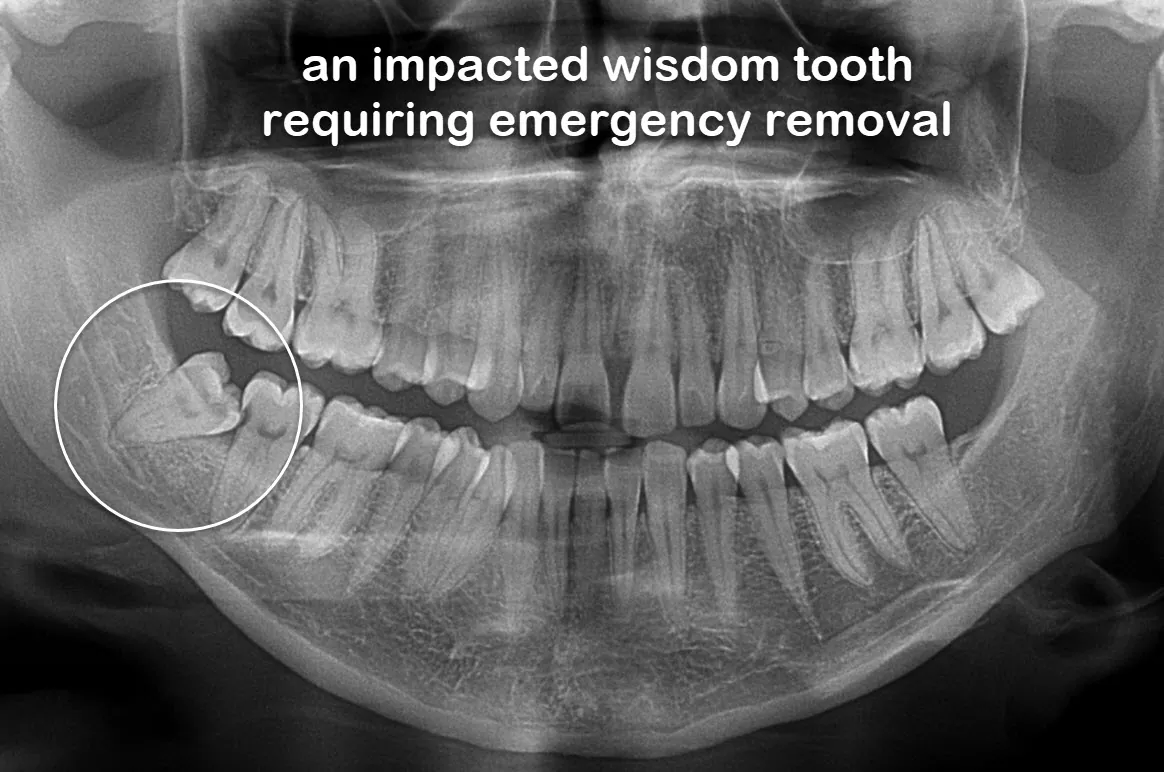
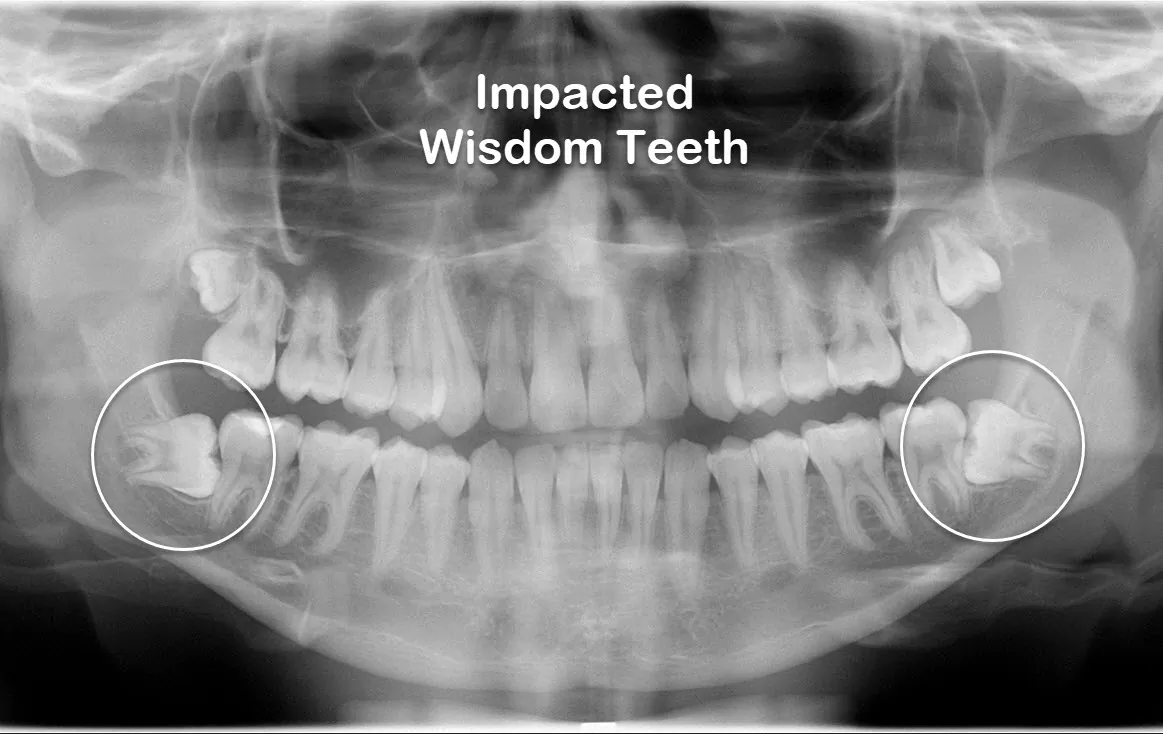
An impacted wisdom tooth is a condition that one or more of your 3rd molars fail to erupt through the gums in a straight normal way. In this case, they act as food traps and over time they turn into breeding grounds for harmful bacteria and cause infection over or around the gums and lead to serious pain in the back of your mouth.
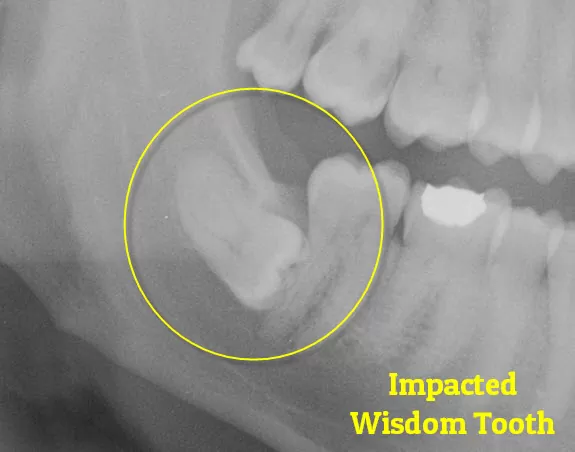
Extraction of Wisdom tooth
Symptoms of Impacted Wisdom teeth are:
- Severe toothache at the back of the jaw
- Bad taste coming from the back of the mouth upon chewing food
- Redness of skin over the tooth
- Foul breath
- Infection
- Swelling
- Sore throat
Knocked out tooth
Baby Tooth Knocked-Out
If the knocked-out tooth is a baby tooth, do not put it back in because you may damage the permanent tooth growing underneath.
Permanent Tooth Knocked-Out
For adults, a knocked-out tooth can be saved by putting it back into its socket or in milk as soon as possible before your emergency dental appointment. For permanent adult tooth follow these instructions:
- Hold the tooth by the white part of the tooth (the crown – the part that sticks out of the gum) do not hold the tooth by the yellow part (the root – the part underneath the gum)
- If it is dirty, you can lick it clean or rinse it under running cold water for no more than 10 seconds.
- See if you can re-insert it back to the tooth socket (the hole in the gum), if unsuccessful:
- Put it in milk or
- Put it in the saliva of the owner of the tooth or
- Hold it in your cheek until you see your emergency dentist*
- If the knocked-out tooth was successfully reinserted into its hole, bite on it gently and keep it in place using a clean cloth until you find an emergency dentist in Brisbane
* Note that younger children may swallow the tooth so it is better not to ask younger children to hold the tooth in their cheek.
If you’re not sure whether it is Baby Tooth or an Adult Tooth
Hold the knocked-out tooth in milk or saliva, make an urgent dental appointment and take it to the dentist.
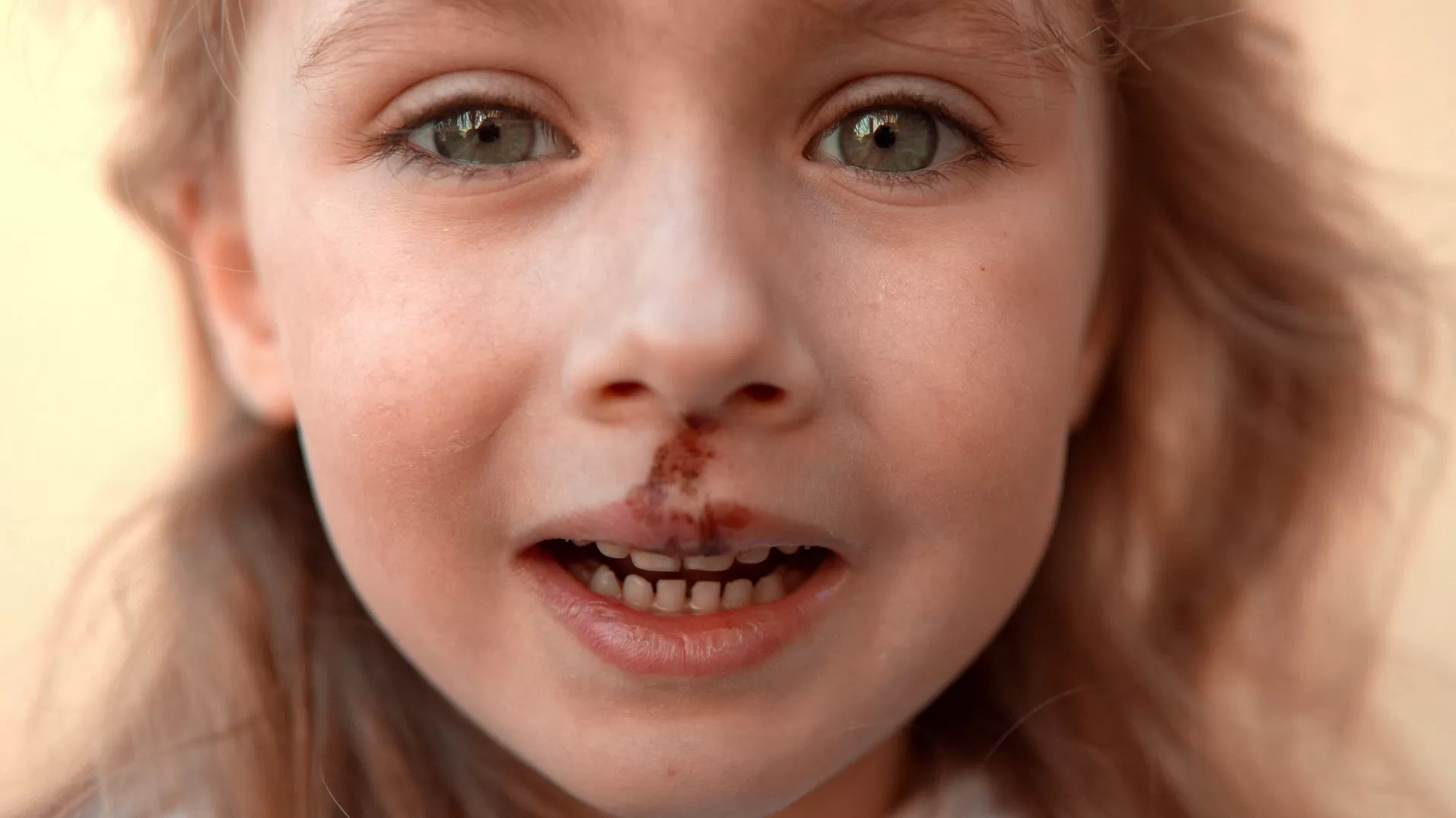
What to do if your permanent tooth gets knocked out?
- Find the tooth. The root tissues are very sensitive. Do not hold the tooth by its yellow part (the root). Hold it with the white part of the tooth (the crown).
- If the tooth is contaminated, rinse shortly with cold tap water
- If you can, replant the tooth back into its socket immediately
- Hold your tooth in place. Bite on a handkerchief to hold the tooth in position and consult an emergency dentist immediately
- If you can not put the tooth back in its socket, place it in a cup of milk or saliva.
- Make an urgent appointment with the nearest dentist asap or if they are open or available, see an emergency dentist asap
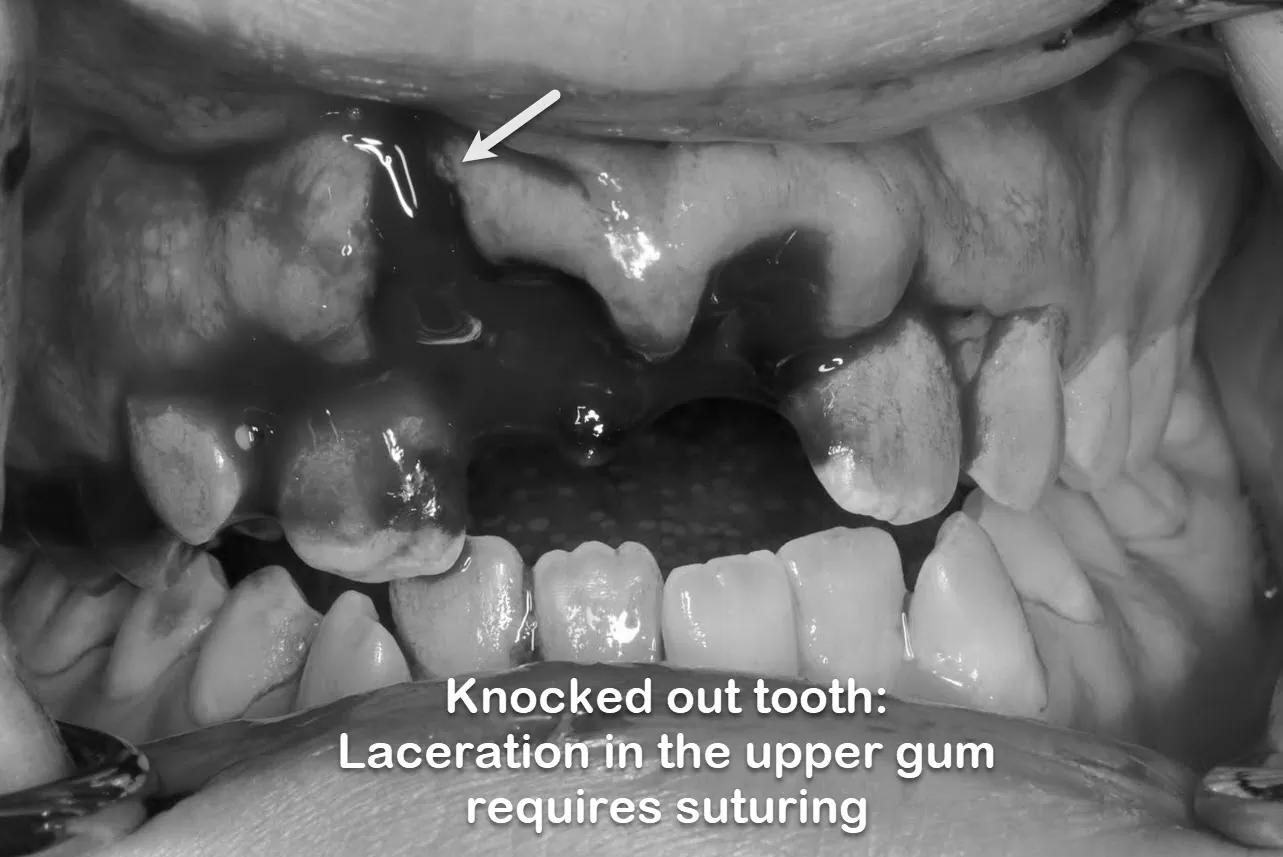
Upper teeth are knocked out and upper gum requires suturing
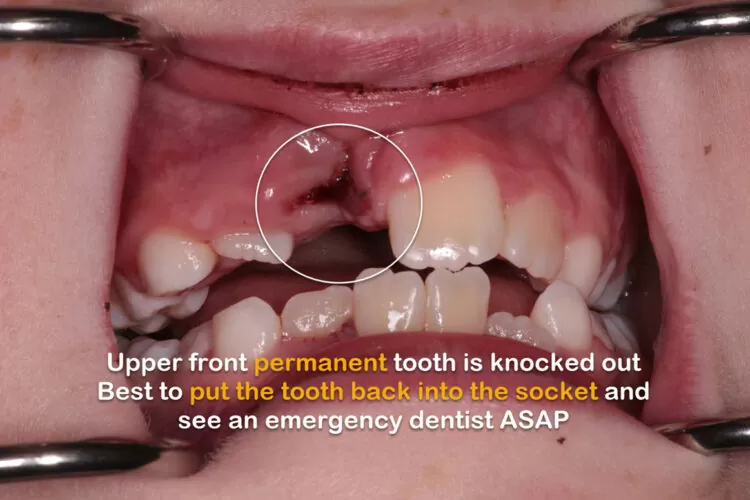
image of upper central incisor knocked out
See the International Association of Dental Traumatology for more information.
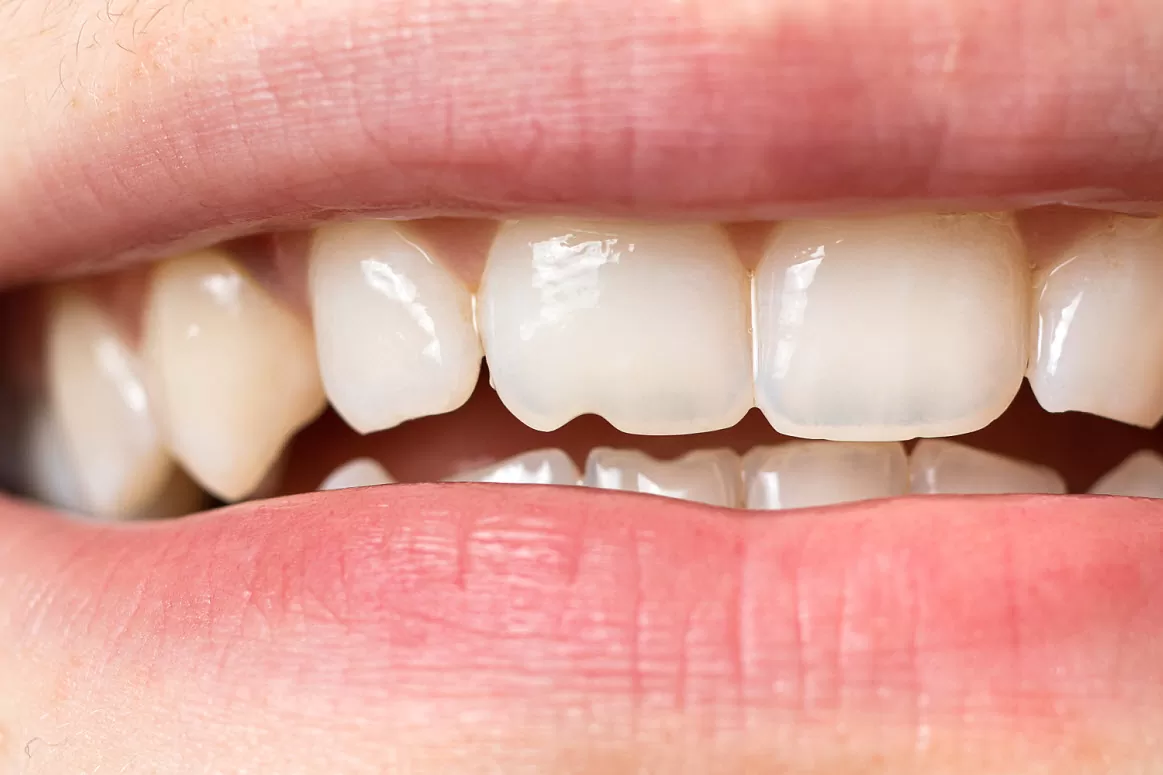
What happens if you leave a broken tooth?
Trauma to the tooth including sports injuries or falls can cause blood vessels of the tooth to burst. When the supply of fresh blood to the living parts of the tooth is cut, the sensitive parts of the tooth including the nerves start to die which can cause infection in the mouth that can spread to other sensitive parts of the body and cause serious issues. Always have a broken tooth checked by an emergency dentist if it is after-hours or weekends or by a local dentist near you.
What to do when half of my tooth breaks off?
Try to find the broken piece of the tooth. Make sure that the broken piece is not blocking the airways in children or in people who are unable to speak.
If the broken tooth is a primary (baby) tooth, and if there are no red spots on the broken side of the tooth, the tooth might be sensitive so avoid hot or cold foods and drinks until you have taken your child to your local dentist near you.
If the broken tooth is a primary (baby) tooth, and if you do see a red spot on the broken face of the tooth, the nerve is exposed and the tooth may be very sensitive even to breathing air. If the child is in pain and not allergic to pain killers, use over the counter pain relief such as panadol or Nurofen. Take your child to see an emergency dentist or a paediatric dentist in Brisbane as soon as possible.
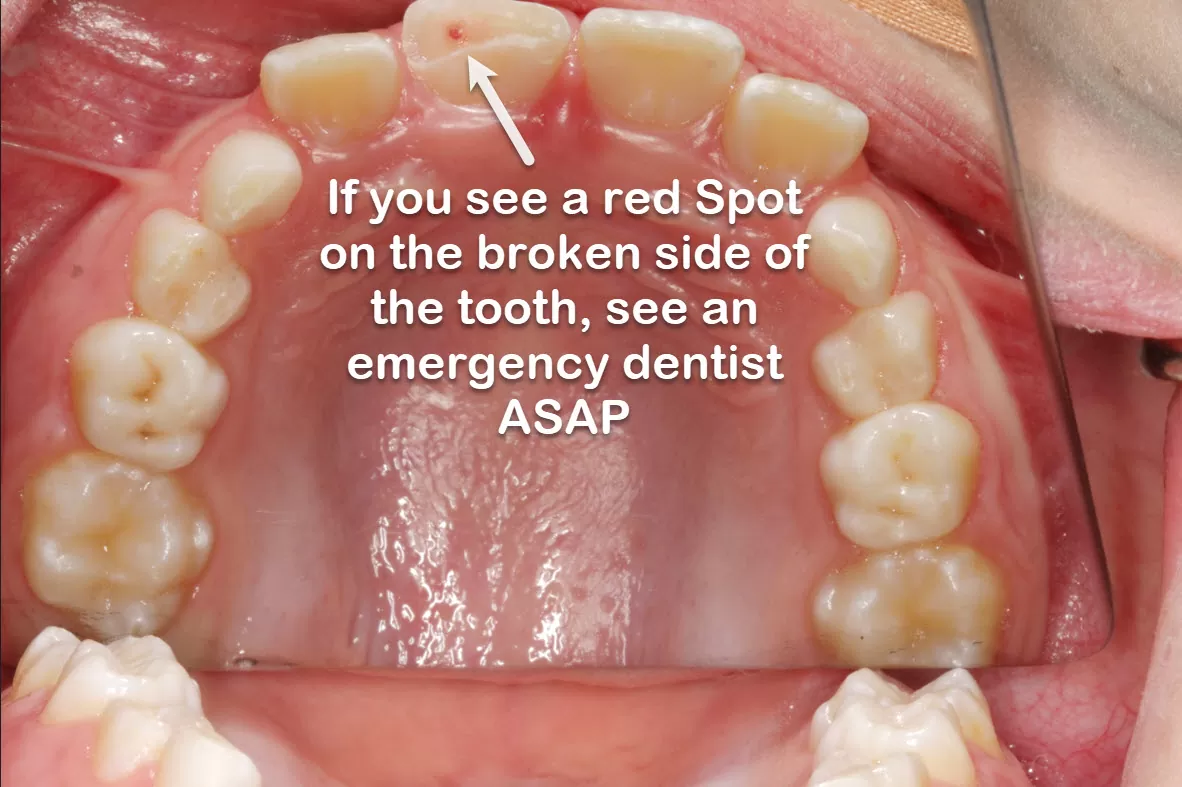
Image of a broken tooth with red spot
If the broken tooth is a permanent (adult) tooth, find the broken piece of the tooth if you can and place it in milk or saliva to keep it hydrated and see an emergency dentist. The broken part may or may not be used for restoring the tooth. If the broken piece cannot be used or found, the dentist can build up the tooth with restorative material or other suitable treatment options.
Is a broken tooth a dental emergency?
Yes, a broken tooth is one of the most common dental emergencies and it warrants an urgent dental visit even if does not hurt. When a tooth breaks, the integrity of the protective layers of the tooth is compromised and the sensitive parts of the tooth are at the risk of infection. An infection in the sensitive parts of the tooth can cut blood supply to the nerves of the tooth and lead to severe pain and the death of the tooth. The symptoms of a dead tooth include:
- bearly noticeable to an excruciating toothache
- a bad taste or smell in the mouth
- discolouration in the tooth
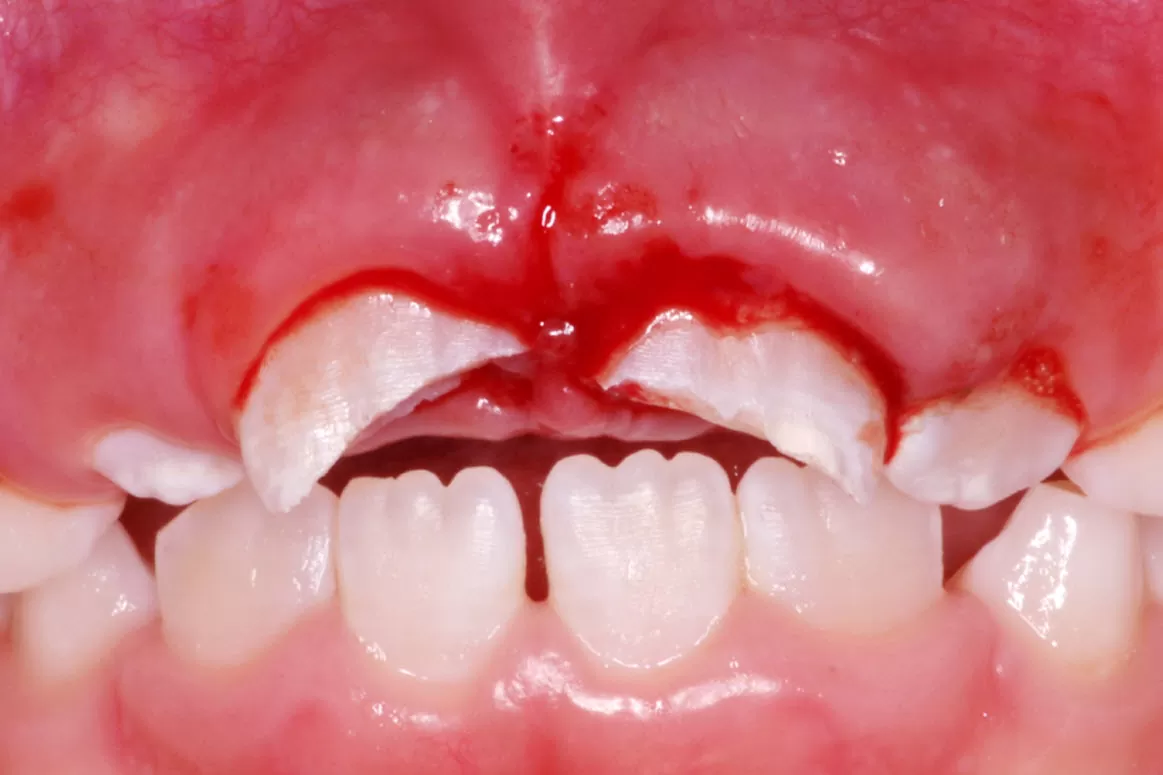
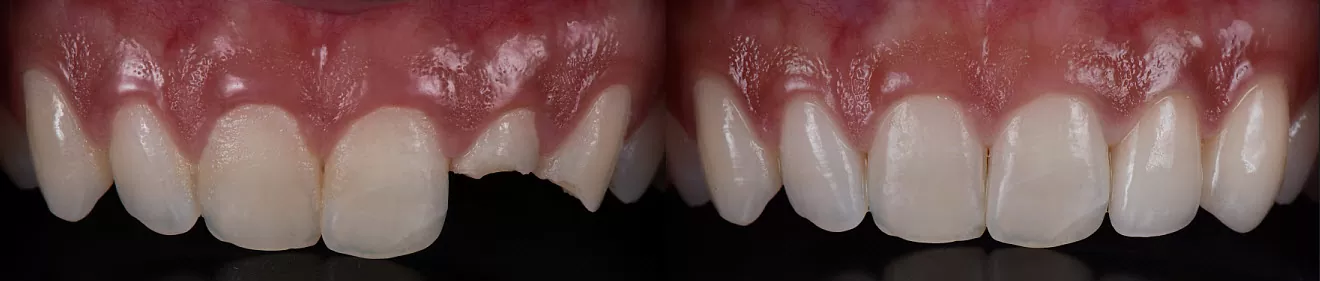
Broken Front Teeth After Restoration by Composite Crowns by the Emergency Dentists in Brisbane
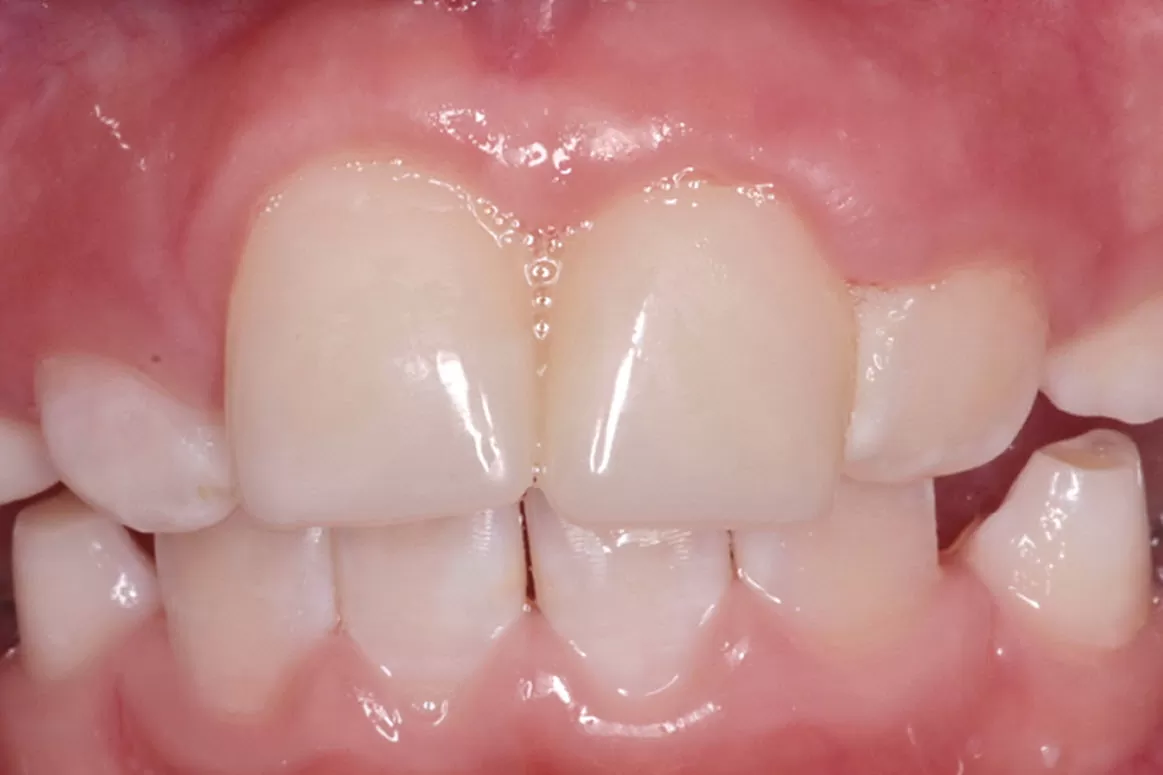
Late Night Dentist Brisbane – Restoration of Broken Tooth
A broken tooth is a dental emergency. Dental emergencies like loose teeth chipped teeth and fractured teeth require urgent attention by a dentist. A knocked-out tooth is another example of dental trauma. Quickly finding an emergency dentist with easy access can mean the difference between losing or saving that injured tooth.
Mount Gravatt Dental Emergency Dentist 4122
If you live in Mansfield, Brisbane or you go to school in Mansfield, finding an emergency dentist should not be hard. Pure Dentistry provides emergency dental care. If you have an emergency right now, call us on 07 3343 4869 immediately if you can talk so that the team is prepared for a quick response when you arrive. If it is not easy to speak over the phone due to a broken tooth or an injury to the mouth, see if you can get a friend or a family member to call us.
Driving from Mansfield to Pure Dentistry should take approximately about 10 minutes. You can drive down creek rd and Logan rd or take Newham rd and turn left onto Mount Gravatt Capalaba Rd and then left again to Logan rd or take Sanders St and find us in the Village Shopping Centre. There is always parking available in the Village Shopping Centre. The front Entry is from Logan rd and the back entry is from Sanders St. If you are driving from Mansfield to Pure Dentistry yourself, it is important to keep calm while driving and drive safely.
Generally speaking, you should try to find an emergency dental clinic within the first 30 minutes of a dental emergency. The driving time to get to Pure Dentistry from neighbouring suburbs is not a lot and the roads are not generally congested. There is ambulance parking available right in front of Pure Dentistry in the Village Shopping Centre. There is a Medical Centre next to our dental clinic.
Make sure you bring the knocked out tooth with you so that our dentist can re-implant the tooth back into its socket if possible.
When picking up the knocked-out tooth try to pick it up by the crown of the tooth and not the roots. The crown of the tooth is the top of the tooth.
Gently rinse the tooth while holding the crown and if you can put it back into its socket. Keep your tooth in a cup of milk or a small container and bring it with you.
Dental Abscess
Treatment of Gum Disease
Are your gums inflamed or swollen? Do your gums bleed when brushed? Gingivitis is an early stage of gum disease. When gingivitis is left untreated it can develop into Periodontitis. If Periodontitis is left untreated it can lead to bone loss. Bone loss occurs in the supporting bones in the jaw. Loss of the bones that surround your teeth can lead to your teeth eventually falling out.
Treatment of Tooth Decay
Tooth decay, dental caries or dental decay happens when the enamel and dentine of a tooth are softened due to an acid attack. The acid attack can be caused by sugar consumption. Over time acid attack creates a cavity in the tooth.
Teeth Grinding Treatment in Brisbane
Repetitive clenching or grinding or of the teeth during sleep is called teeth grinding (it is medically known as Bruxism). Teeth Grinding is a habit that some people practice when they feel fearful or anxious. Night-time teeth grinding is a reasonably common behaviour among many children. Teeth grinding like thumb sucking and hair pulling is often a way some children discharge emotional tension during sleep. Generally, reducing tension can reduce teeth grinding.
Problems caused by teeth grinding include:
- (Temporomandibular disorder) TMD
- Fractures in the teeth
- Bite Unevenness
- Shift in Bite
Bruxism (teeth grinding) can cause pain in the temporomandibular region however, its association with TMD is still being debated among dentists.
TMD is often caused by tension in the jaw muscles and has no single treatment. In general, TMD is a generic medical term that refers to various painful or non-painful conditions involving the temporomandibular joint and its associated muscles.
Teeth grinding cannot be permanently changed by dental, pharmacological or behavioural interventions and its dental treatment primarily focuses on the prevention of further damage to the teeth.
For treatment of teeth grinding, make an appointment with our dentists and inquire about dental mouth guards or splints used during sleep.
When children clench their jaw or grind their teeth, it can put the jaw muscles under tension. Tension in the jaw can also be caused by other factors for example myofascial pain …
TMD is a benign condition. It has a variety of symptoms and the most common of which are:
- Pain in the face
- Jaw pain
- Pain in the ear area
- Headaches (often mimicking migraines),
- Painful pressure behind the eyes
- A clicking sound (while closing or opening the jaws)
- Jaws that get locked
- Jaws that go out of place
- Jaw muscles tenderness
- Difficulties in chewing or biting
- A sudden change in the dental occlusion
Occlusion is the term used to describe how efficient the lower and upper teeth surfaces fit together.
Sometimes it is hard to tell if you have TMD based on the symptoms above because These symptoms can also be due to problems in the jaw muscles or the jaw itself.
Even healthy jaws may get stuck every now and then and it is quite normal and not alarming. Therefore, it Is recommended to see a dentist and they would be able to conduct clinical examinations and Study your jaws using suitable x-ray images.
To reduce tension from jaw muscles, our dentists may recommend one or more of the following techniques that use muscle relaxants and eliminate muscle spasm and pain by:
- Applying moist heat
- Taking muscle relaxant medication
- Use of night guards or splints that prevent teeth damage
To protect your teeth against grinding, our dentists fabricate custom-made devices to fit your mouth. When prepared, these devices slip over your upper teeth and prevent them from grinding against the lower teeth.
Can Dental Emergency be Avoided?
The truth is that dental emergencies can happen to anyone. However, there are certain things that you can do to avoid them as much as possible.
A routine dental x-ray and check-up by a qualified professional dentist who provides you with honest advice and has modern equipment to detect and prevent decay in your teeth can help you avoid certain dental emergencies. If your children play contact sports with other kids, wearing a mouth guard can protect them from injuries leading to a dental emergency.
At Pure Dentistry, our dentists make custom-fitted mouthguards. To make these mouthguards, the dentist takes an impression and builds a plastic model of your teeth. The benefit of getting a dentist to make your mouth guard is that the dentist can precisely assess your teeth and build the most fitting mouth guard for your teeth. These mouthguards are made to suit the unique shape and arrangement of the teeth in your mouth, and therefore, you should expect these mouthguards to be more comfortable to wear. Speaking with these custom-fitted mouthguards is much easier than other varieties, and they won’t impede your breathing.
Pure Dentistry is located in the suburb of upper mt Gravatt, and most of our patients come from the Mount Gravatt area and other suburbs near us.
Approximate driving times from the suburbs near our dental clinic are mt gravatt 4122 (8 min), mt Gravatt East 4122 (8 min), upper mt Gravatt 4122 (4 min), Mackenzie 4156 (10 min), Wishart 4122 (8 min), MacGregor 4109 (6 min), eight-mile plains 4113 (12 min), Mansfield 4122 (10 min), Salisbury 4107 (14 min), coopers plains 4108 (16 min), Robertson 4109 (9 min).
Save your dentist’s phone number in your contact list and be prepared to save your tooth should dental emergencies occur.
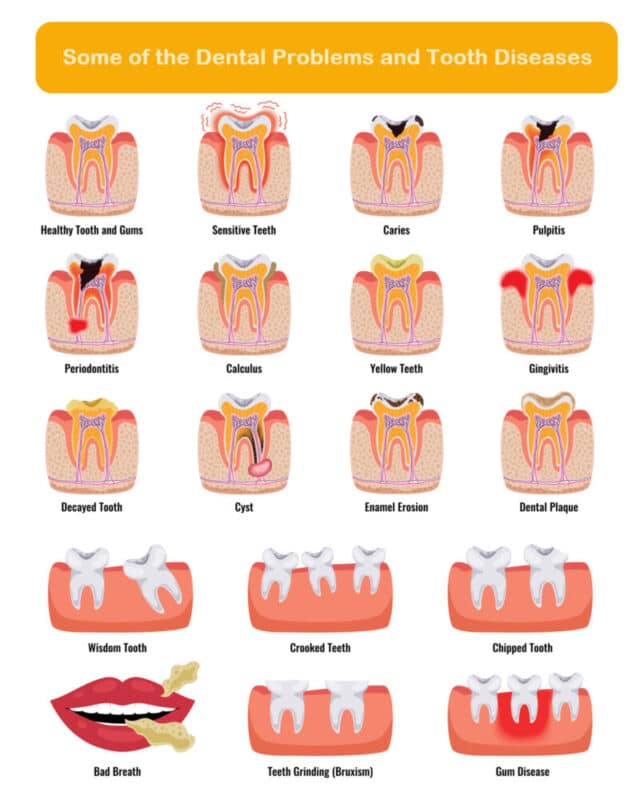
WHAT IS AND WHAT IS NOT A DENTAL EMERGENCY?
You don’t need an emergency dentist in Brisbane if you are not in pain, have a chipped tooth that requires smoothing down or have a crown that needs re-cementing. These do NOT constitute a dental emergency.
A dental emergency requires immediate attention. You should call our Brisbane emergency dentist’s telephone number soon for an urgent dental appointment.
Mouth sores are NOT a dental emergency. You can consult your pharmacist for a suitable product but if the sores persist see your Brisbane dentist in the morning.
A broken brace or a broken wire is NOT a dental emergency. You can cover any sharp pieces and see your dentist.
A broken dental bridge is NOT a dental emergency. Just see our dentist as soon as you can and bring all pieces with you.