Molar Teeth Extraction Brisbane
Wisdom teeth, also called third molars, refer to the last adult teeth that erupt between ages 17 and 21. Most people have four wisdom teeth in the back of their mouth, two on the top, and two on the bottom. While some people do not have these third molars at all, some may have even more than four wisdom teeth. These teeth tend to erupt in the late teens or early twenties, but for some people, they may emerge when they are in their forties or even fifties! These teeth are the last teeth to erupt, and they appear in the mouth while the person is presumably at a more mature age, “age of wisdom,” hence the name. Not all wisdom teeth need to be extracted but they may need to be removed if they are in an abnormal position or if they have the potential to cause significant pain.
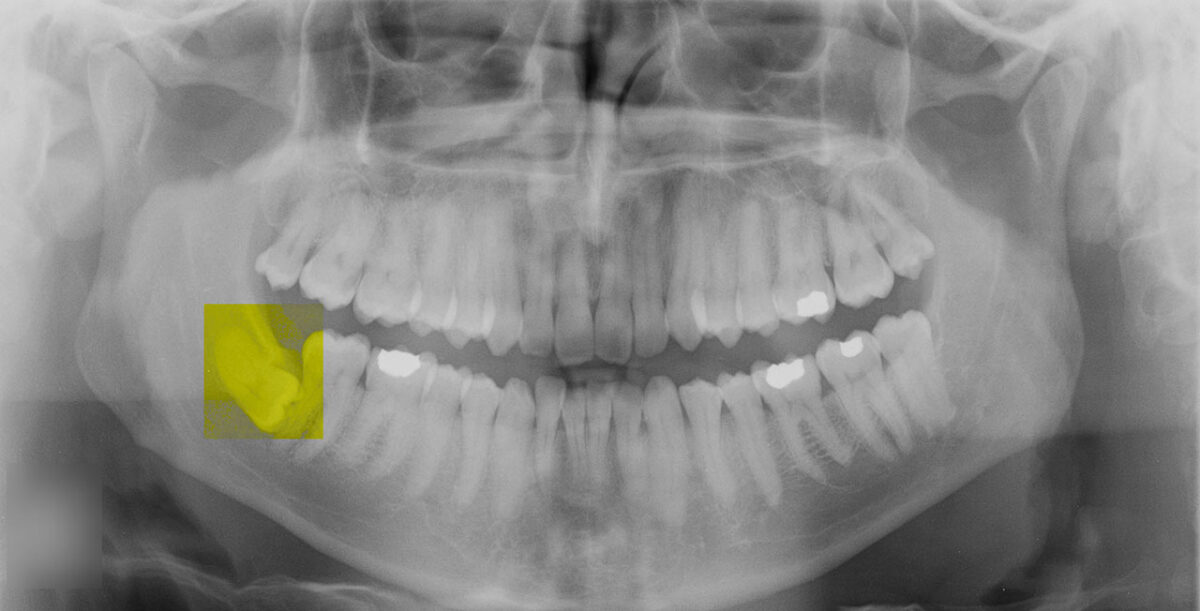
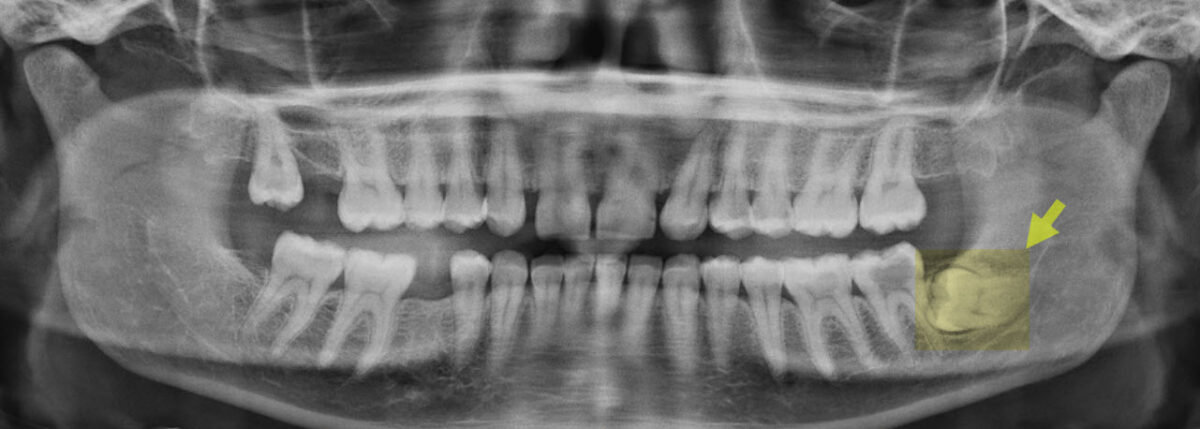
If they do not have enough room to emerge into the correct position, they become stuck under the gum tissue or can only erupt partially into the mouth. Treatment by an appropriately qualified health practitioner can avoid damage to adjacent teeth. Wisdom teeth often become impacted because sometimes the jaw does not have ample space to accommodate them, resulting in their improper emergence through the gum line.
Their improper growth can cause a lot of pain and problems for the person, including:
- ear pain
- jaw pain
- red or tender gums
- infection
- bad breath
- swelling in gums
- crowding
- bad breath and an unpleasant taste in your mouth
Besides, impacted wisdom teeth can be challenging to keep clean, making them more susceptible to decay and gum disease. They can also cause damage to nearby teeth’ roots or bone support.
 Why Wisdom Teeth Cause Pain and When Should I Have them Extracted?
Wisdom teeth extraction is necessary when there is not enough room for the wisdom teeth to erupt completely. The human mouth, on average, has the capacity to accommodate 28 teeth. If your mouth has just enough room to hold 28 teeth, then it will be painful to try to fit 32 in there. The other 4 are called 3rd molars and are commonly known as the wisdom teeth and are the last teeth to erupt in your mouth.
- Gum Infection
When wisdom teeth partially emerge from the gum, bacteria can grow in the openings and cause localised infection in the gum. The infection will cause pain, swelling and illness.
- Cyst Formation
Wisdom teeth may also grow sideways in your mouth. In some cases, they stay trapped in the bone and under the gum tissue. The pressure produced by the trapped wisdom tooth disturbs the alignment of other teeth and the pressure can form cysts that can impact the jawbone and in some cases destroy the bone.
- Crowding
Wisdom teeth extraction is recommended when it is contributing to teeth crowding. Crowding in most cases is noticeable in the front teeth, especially the lower front teeth. Wisdom teeth removal is recommended to keep the jawbone, gums and teeth healthy in the long term.
These third molars are notorious for posing many problems in the mouth, and having them removed is usually recommended by many good oral surgeons in Brisbane.
Wisdom tooth extraction may be required when they:
- have partially emerged or are impacted
- are likely to create a passageway for bacteria
- have crowded the nearby teeth
- may put the nearby teeth in danger in the future
However, wisdom teeth extraction is not required when they:
- are fully and correctly erupted
- can be easily cleaned
- are positioned at the right angle
- are healthy
Your jawbone gets tougher as you get older and may make tooth extraction a lot harder. If you have them removed by a Brisbane dentist at a younger age and before the complete formation of roots, you will have a smoother tooth removal and a faster recovery from the extraction.
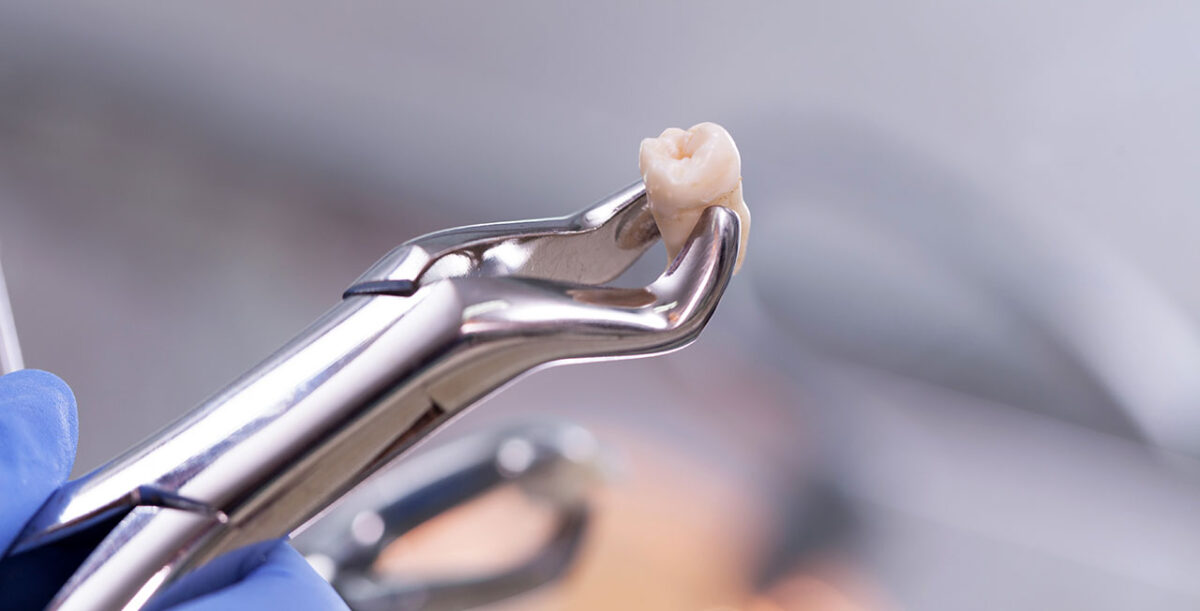
Wisdom Tooth Examination
Our experienced dentists your x-ray to assess the risk of wisdom teeth problems. Early treatment of wisdom teeth provides a better outcome. She recommends the first risk assessment be done in the mid-teenage years.
Even if you are not experiencing any pain, our dentist may recommend an early extraction to you if she finds that the erupting wisdom teeth are on a path to cause you oral health issues down the track. A late extraction can lead to complications and be more costly if not treated early.
Call Pure Dentistry on 3343 4869 to book your wisdom teeth evaluation and ensure your wisdom teeth are aligned properly and are not a risk to your oral health.
Pure Dentistry provides wisdom teeth extraction services to residents of Wishart 4122, eight-mile plains 4113, mount Gravatt 4122, mount Gravatt East 4122, upper Mt Gravatt 4122, Mansfield 4122, Nathan 4111, MacGregor 4109, Rochedale 4123, Mackenzie 4156, Robertson 4109, …

Wisdom Tooth Extraction Brisbane
If the extraction of wisdom teeth is required for you, you are not alone. As mentioned above, the benefits of wisdom teeth extraction are considerable. A large number of people require this surgery to maintain their oral health. Wisdom tooth extraction is a common procedure for a good dentist fully equipped for this type of procedure.
How Much Does Wisdom Teeth Extraction Cost?
Our fees in Pure Dentistry are very reasonable in this area. The cost of extraction depends on several factors, including the position of the wisdom teeth and the required process to extract them. The dentist will need to do an oral examination and review your X-ray before they can provide you with an accurate cost estimate. The level of coverage by each insurance company is different, and our reception will help you to obtain the maximum insurance coverage for your wisdom teeth extraction.
Are you Stressed Out about your Wisdom Teeth Surgery?
If you are a bit nervous about this treatment, notify our dentist and nurse about your nervousness. They can offer alternative treatment options like providing happy gas or sleep dentistry. They ensure you are as comfortable as possible and will take special care of you. Also, if you are planning the extraction of all four wisdom teeth, consider if you would prefer to extract all four at once or if you would prefer to extract them in multiple appointments.
Wisdom teeth removal under general anesthesia
Local Anesthesia and Happy Gas for Wisdom Teeth Removal
Our dentists can provide IV sedation or laughing gas on top of local anaesthesia to ease dental anxiety. Typically, you will receive a local anaesthetic to numb your tooth and the surrounding area. You will receive local anesthesia, including novocaine, lidocaine, or mepivacaine. Remember that you will stay fully awake with local anesthesia and follow the dentist’s instructions during the procedure; however, you won’t feel any pain. Local anesthesia will only numb a part of your body, but general anesthesia will make you unconscious.
General Anesthesia for Wisdom Teeth Surgery
The idea of dental procedures or surgeries can be frightening for some individuals. Some patients even delay dental care due to the fear of the pain they may face during dental procedures, making things more complicated because of this procrastination. Some patients prefer to be asleep and do not witness the procedure, especially for Wisdom Teeth Removal Surgery! Luckily, dental procedures are less painful today thanks to medical and dental advances. Dentists can use happy gas or even make you unconscious using sleep dentistry, so you neither feel the pain nor see the whole process. Sleep dentistry with General Anaesthesia is the solution for patients who prefer to be put in a sleep-like state for 1 or 4 wisdom teeth removal. You can always get a second opinion for laughing gas instead of a general anaesthetic. While most of the time, this procedure does not need a general anaesthetic, in some cases, a general anaesthetic will be used by the dentists if:
- The patient is extremely nervous and anxious about the surgery
- The patient has a low pain threshold
- The procedure involves removing more than one wisdom tooth
- The procedure may take a long time
Is General Anaesthesia for Wisdom Teeth Removal Safe?
Yes! Usually, general anesthesia is very safe and carries limited risks or complications for most people. A qualified anesthesiologist must administer general anesthesia before the dentist starts the dental work. Your vital signs will be carefully observed during this controlled unconsciousness state, and your oxygen intake, breathing, blood pressure, temperature, etc., will be closely monitored.
It would be best to tell your GP and dentist about your medical conditions, the types of medication you are taking, and whether you smoke to avoid complications. Because the general anaesthesia will affect your state of mind, you will be advised:
- not to drink alcoholic beverages
- avoid signing legal documents
- have someone drive you home after the surgery
You will receive general anaesthesia through an IV, medication, or inhaling gases. With general anaesthesia, you won’t remember anything after you wake up.
What happens if you don't get your wisdom teeth removed?
If your dentist has suggested you have your wisdom teeth removed and you’ve decided not to do so, here’s what you can expect in the future:
-
- Because they appear when all your other teeth have already erupted in the mouth, your mouth may have enough room for them anymore. Therefore, wisdom teeth cannot grow properly. Because of lack of adequate space, their emergence can cause overcrowding, impaction, or crooked teeth.
- If they are impacted and do not have them extracted, they will increase your risk of dental abscess and infection. Because these molars cannot be cleaned effectively, they are at a higher risk of decay and infection.
- Impacted wisdom teeth can cause you a lot of pain in the back of your jaw if they are not removed.
How long does wisdom teeth removal take?
This procedure can be different from person to person. It can take several minutes or several hours depending on:
- how many teeth are being extracted
- whether the teeth are impacted
- the severity of the case
What are the risks of having a wisdom tooth removed?
Wisdom teeth removal is a common dental procedure, and it won’t typically cause any long-term complications. However, there are chances that you experience some complications that you can easily get rid of as long as you follow your dental expert’s advice.
Below you can see some complications of this dental procedure:
- Dry Socket
- Pain, swelling, bleeding
- Infection
- Difficulty opening your mouth
- Numbness
- Nerve injury
Please call your dentist and inform them about your situation to receive useful instructions.
What Should I Expect After Wisdom Tooth Surgery?
It will only take a few days to recover from the treatment for most people.
- After the surgery, if you were given general anesthesia, you will be taken to the recovery room to be monitored carefully.
- If you receive local anesthesia, you will be in the dental chair for recovery and the necessary observations.
- Have someone drive you home after the surgery if you were given general anesthesia.
- Make sure you inform your dentist if your bleeding has not stopped 24 hours after the surgery.
- Avoid repeated spitting as it interferes with the blood clot formation and leads to a dry socket.
- You can take OTC pain killers and place a cold pack against your jaw to reduce the pain and swelling.
- It helps to keep your head in a higher position than your heart level to avoid prolonged bleeding.
- Avoid eating or applying pressure on the side that surgery has taken place.
- Try to relax on the day of the surgery. Doing any intense physical activities is not recommended because it may cause you to lose the blood clot and experience a dry socket.
- Keep your body hydrated. Drinking lots of water can accelerate the healing process.
- Kissing, smoking, and using straws for drinking water or other beverages are not allowed after the surgery! They can lead to a dry socket.
- Do not consume solid foods. Hard or crunchy foods may irritate the wound and cause you a lot of pain.
- Try softer foods such as soup, yogurt, gelatin, applesauce, pudding, smoothies, and broths.
- Gradually and when you are ready to tolerate harder foods, you can shift to semisolid foods.
- Rinsing your mouth gently with warm salt water can relieve the pain and swelling.
- Avoid touching the wound with your tongue or finger.
- Brushing and using mouthwash are not recommended within the first 24 hours following the procedure.
For more information and instructions about wisdom teeth removal aftercare, you can call us today on 07 3343 4869
Has anyone died from a wisdom tooth removal?
Wisdom tooth extraction is a standard and safe procedure; however, any surgery carries potential risks and may cause complications. It is wise to inform your dentist or oral surgeon if you have any serious health condition because using anesthesia may not be the best option for your health. Although very rare, there have been a few death reports from a wisdom tooth removal surgery. They were primarily because of the complications of using IV sedation or general anaesthesia.
What were wisdom teeth originally for?
Humans’ diet has changed significantly throughout many ages. Primitive people consumed a lot of coarse, rough food such as leaves, roots, nuts, and meats. Therefore, they needed these last sets of third molars to give them more chewing power for these rough foods. Moreover, their jaws had to be broader to fit them without difficulty. However, modern humans cook most of the food we eat and use many tools to cut and crush them into smaller pieces. This change in our dietary habits has narrowed our jaws, meaning our jaw has no longer enough room to fit wisdom teeth.
What are the Common signs for Wisdom Teeth Removal?
Your appropriately qualified health practitioner will probably decide to remove them if:
- You are already in too much pain because of them
- There is a high chance of damage to your jaw or nearby teeth
- They are causing problems for the proper development of other teeth
- Impacted wisdom tooth
Generally speaking, a telltale sign that it’s time you have your wisdom teeth removed is Pain. A painful wisdom tooth may be a warning sign that there is something wrong with the tooth and may need extraction.
Other signs may indicate you require wisdom teeth extractions, including:
- Pressure and discomfort
- Swelling and repeated infection
- Tooth decay
- Cysts and Tumors
All said, whether or not to remove your wisdom teeth is a decision made by a dental professional. That’s why it’s imperative to have regular dental checkups and have your wisdom teeth assessed by a good dentist.
How is Painful Wisdom Tooth Treated?
Wisdom teeth removal is a common dental procedure done by a dentist or a board-certified oral and maxillofacial surgeon. The wisdom teeth surgery may be done in your surgeon or dentist’s office or the hospital. If the patient is at a high risk of complications or having more than one wisdom tooth extracted, the wisdom teeth surgery may be performed in the hospital.
What should I Expect From Wisdom Teeth Extraction?
- The oral surgeon or dentist will first take X-Rays to see if your wisdom teeth are impacted. This is done to help them decide on the best course of action
- They will numb the area before they take action to minimize your pain and discomfort
- Then they will cut into the gum tissue to expose the tooth and bone and remove any bone covering the tooth. (the bone that limits access to the tooth root)
- The tooth will probably be cut into smaller pieces to be removed easier
- The tooth will be removed
- The oral surgeon or dentist will then clean the site of the removal of any debris
- You may need stitches to promote healing
- A folded cotton gauze will be placed over the extraction site to help stop the bleeding
Have you had a tooth extraction in our upper mt Gravatt dental clinic? Here is what to do after the extraction of your tooth:
Bit Down on the Gauze
We will provide you with a gauze pad that you should bite on. Biting on the gauze that we send you out will help the blood to clot, the bleeding to stop and consequently the healing process to start.
Wait 30 minutes for the blood clot to form. If oozing has not stopped using the second gauze pad and wait for the clot. For the next three (3) days try to protect this clot.
No Physical Activities
For the first 24 hours refrain from strenuous physical activities like going to the gym.
No Smoking Post Extraction
Avoid smoking. Do not expectorate and try to protect the clot formed after tooth extraction.
Drinking
If you’d like to drink something use a straw. Our Dentists recommend drinking lots of fluids. Avoid drinking alcoholic beverages after your extraction.
Eating food that has seeds in them and grainy food should be avoided. Avoid eating spicy and hot food on the day of the extraction. Try to use soft nutritious food for the first two (2) days like bananas, eggs, pasta and mash potatoes.
Washing – Avoid Swishing!
You should avoid swishing and if you’d like to wash your mouth you should rinse it very gently with warm saltwater. Do not wash your mouth vigorously and avoid brushing next to the tooth extraction site.
How to Manage the Pain after Tooth Extraction
If you are experiencing swelling and soreness, it is generally normal. In the first two (2) days you can use an icebag to control the swelling. If your dentist has prescribed pain management, use it as per the dentist instructions. The same goes if your dentist has prescribed antibiotics. Continue taking your antibiotics for the prescribed length even if you feel that all the infection signs have disappeared.
Heavy bleeding after Wisdom Tooth Removal
If the tooth extraction site is continuing to bleed after 24 hours or you are still experiencing swelling after 2-3 days call our dentist on 33483 4869.
Flying after Teeth Extraction
If you have had a tooth extraction it is recommended to rest 24 Hours. Consult with your dentist after your surgery to see if it is safe to fly. If your dentist advises that it is safe to fly on the same day as the tooth extraction, try to select an aisle seat with easy access to the lavatory for a change of gauze.
Take some sterile gauze with you because bleeding may continue. To control the bleeding keep biting on the gauze with a bit of pressure. Icing your face is good and it can control the swelling.
If you should fly a day after the extraction, take some salt with you and put it into a water bottle and rinse every couple of hours. Some airlines have specific regulations about flying after certain dental procedures like extraction, root canal or dental implants.
Other dental services in Pure Dentistry upper mt Gravatt:
Root Canal Dental Crowns Braces Invisalign